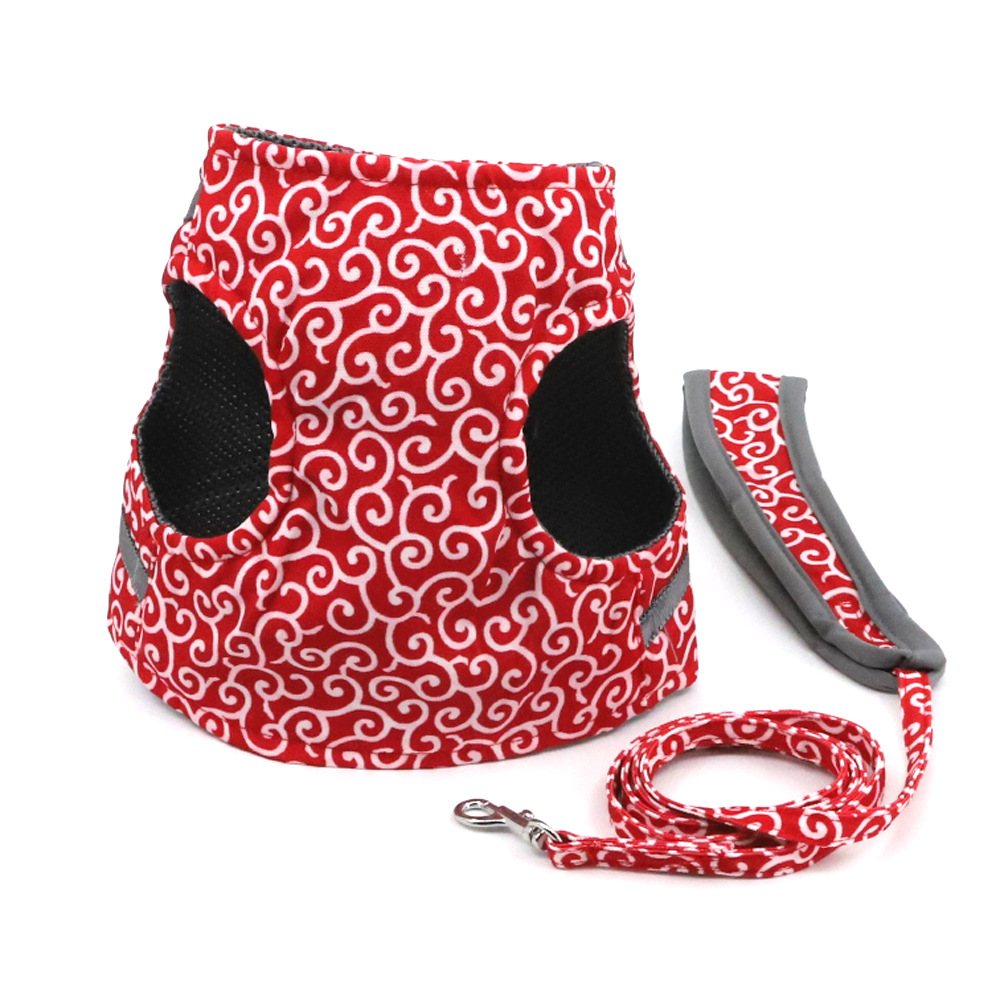
Breed file — Cat — Small (≈5–8 lb)
Crate size for a Cat — Small (≈5–8 lb), measured
The typical answer, plus the measurement that makes it your dog's answer.
18in crate
Usual starting size for an adult Cat — Small (≈5–8 lb). Derived from a typical body length of 13–16 in + a 2–4 in margin, rounded to the crate ladder.
Your breed's numbers are a typical range, not your pet. Measure your pet with a soft tape and use the measured number — then double-check against the product's own size chart before you order.
Measure your Cat — Small (≈5–8 lb)
Measure your dog nose-to-tail-base and standing height, add the margin, and confirm against the crate's INTERIOR (not exterior) dimensions before ordering.
Typical ranges for a Cat — Small (≈5–8 lb)
Priors to sanity-check your measurement — not a substitute for it.
| Adult weight | 5–8 lb (2–4 kg) | plan & life-jacket cross-check |
|---|---|---|
| Shoulder height | 8–9 in (20–23 cm) | dog-door, crate height |
| Neck girth | 6–9 in (15–23 cm) | collar (+ two fingers) |
| Chest girth | 10–14 in (25–36 cm) | harness, coat (+ two fingers) |
| Body length | 13–16 in (33–41 cm) | crate, carrier |
Girth & length are typical estimates — measure to confirm.
General feline size archetype (e.g. Singapura
What each measurement buys
Crate
crate_length ≥ body_length + margin(2–4 in); crate_height ≥ standing height to top of head + a few in. Pick the smallest standard crate whose length ≥ that. Bigger is NOT better for crate training (too much room defeats den security); size to the dog, not to spare.
Recommended: 18″. Measure your dog nose-to-tail-base and standing height, add the margin, and confirm against the crate's INTERIOR (not exterior) dimensions before ordering.
Harness
chest_girth + two-finger ease → choose the harness size whose girth range covers that number.
Your Cat — Small (≈5–8 lb)'s typical chest girth is 10–14 in; match a harness whose girth range covers your measured number plus two fingers.
Collar
neck_girth + two-finger ease → collar's adjustable range should sit mid-range at that number.
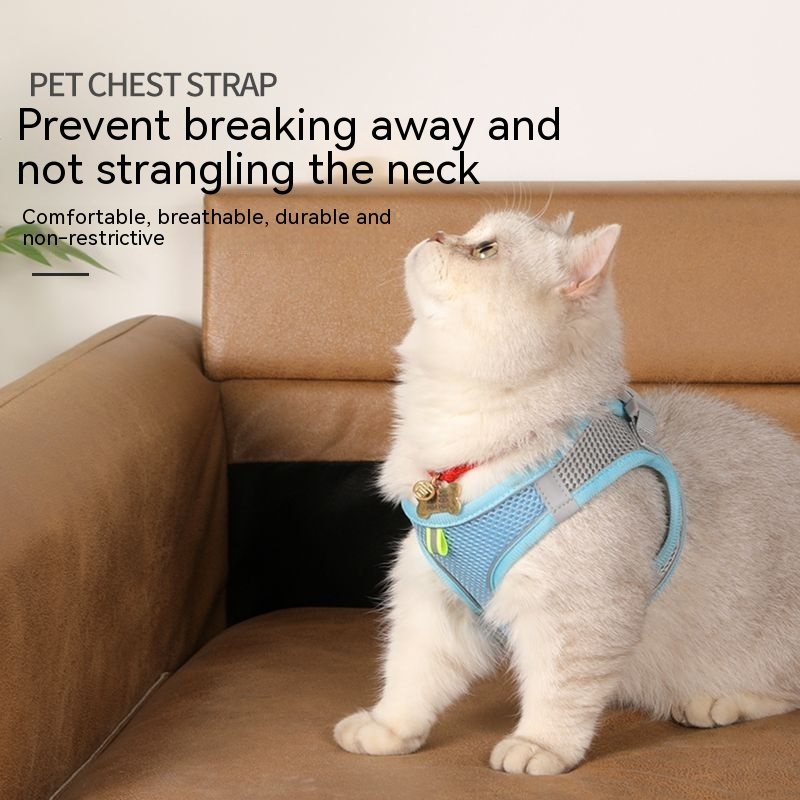
Typical neck 6–9 in. Cats MUST use a breakaway/safety collar — hard requirement, not a preference.
Size my actual Cat — Small (≈5–8 lb) →
Gear that fits a Cat — Small (≈5–8 lb) — measure to confirm
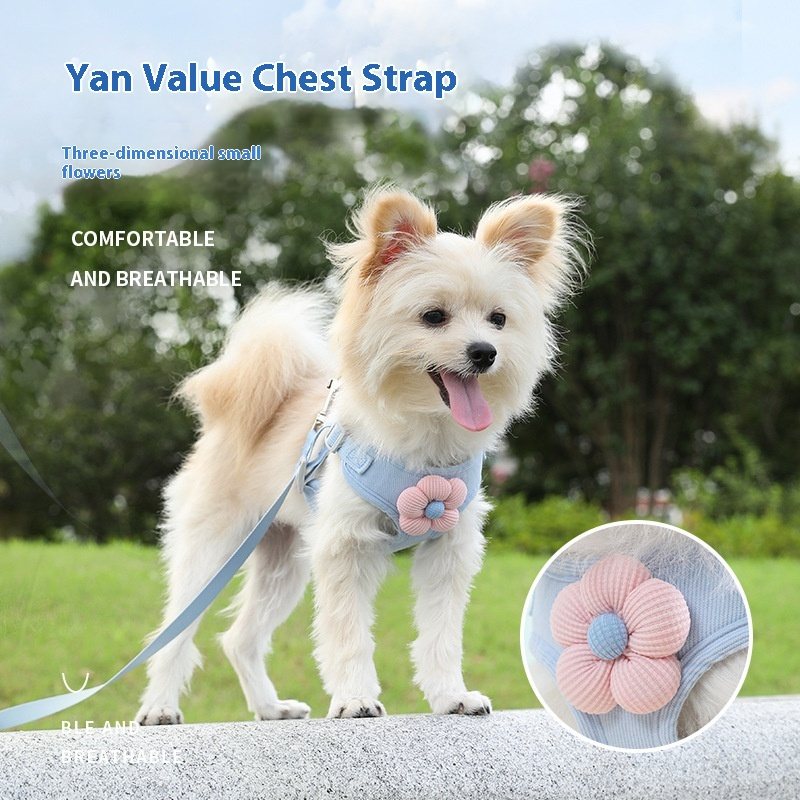
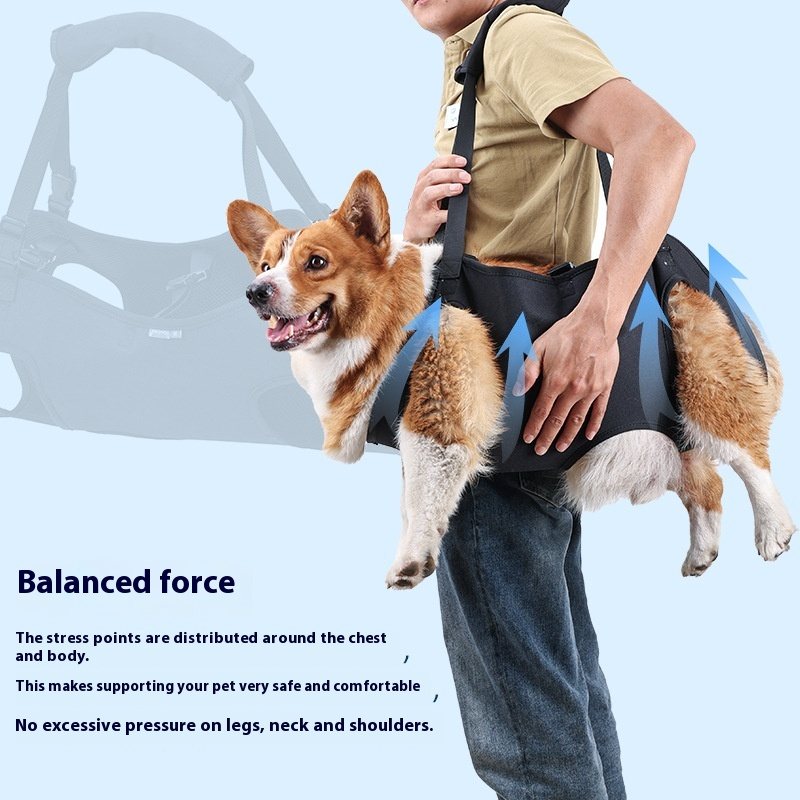
A typical Cat — Small (≈5–8 lb)'s chest girth is 10–14 in and neck 6–9 in — a starting point, not your dog. These carry a digitized size chart; measure yours and match your number.
Every size below is typical for the breed — measure to confirm. The guarantee is anchored to your measurement, never the breed guess.
FAQ
What size crate does a Cat — Small (≈5–8 lb) need?
For a typical adult Cat — Small (≈5–8 lb), a 18″ crate is the usual starting point. The honest answer is your dog's own length: measure nose to the base of the tail, add 2–4 inches, and pick the crate whose interior length covers it.
How big will my Cat — Small (≈5–8 lb) get?
Adult Cat — Small (≈5–8 lb)s typically weigh 5–8 lb (2–4 kg) and stand 8–9 in at the shoulder — a range, since individuals vary. To estimate a puppy's adult weight from its current age and weight, use the size predictor.
Should a Cat — Small (≈5–8 lb) wear a collar or a harness?
General feline size archetype (e.g. Singapura Measure the neck for a collar and the chest girth for a harness; add two fingers of room to each.
How old is my Cat — Small (≈5–8 lb) in dog years?
A common vet approximation: the first year ≈ 15 human years, the second adds ≈ 9, and each year after adds ≈ 4–5 — faster for giant breeds, slower for small ones. It's an estimate, not a formula written in stone.